

Anyone who has fumbled with a flimsy disposable on a breezy day knows the frustration. The flame flickers, dies, and you end up cupping your hands and trying again. A windproof refillable cigarette lighter solves this problem. It keeps a steady flame in conditions that defeat ordinary lighters, and because you refill it instead of throwing it away, it saves money and cuts waste over time.
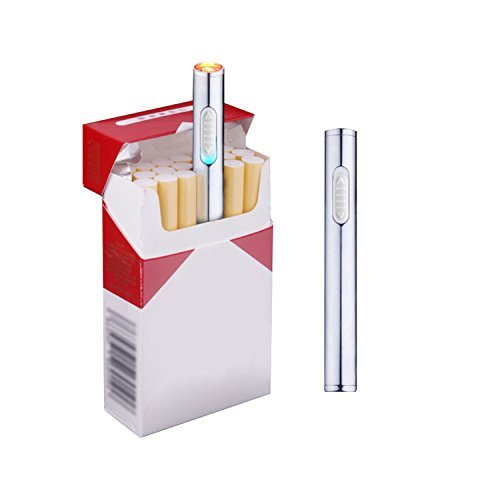
This guide covers how windproof lighters work, what separates a good one from a poor one, how to refill and maintain it, and what to check before you buy.
What Is a Windproof Refillable Lighter?
A windproof refillable lighter is built to hold a flame in wind and light rain, and it can be refilled with fuel many times. Most are made from metal, usually brass, zinc alloy, or stainless steel, and they combine a protected burner with a reusable fuel tank.
Unlike a standard disposable, which is discarded once the fuel runs out, a refillable model can last for years with basic care. Many owners keep the same one for a decade or more, and some pass it down.
How Windproof Design Works
The secret is in how the flame is shielded and fed:
- Chimney or windscreen: A metal casing with small vents surrounds the flame, blocking direct gusts while still letting in enough air to burn.
- Torch-style jets: Some models use a pressurized jet that forces a narrow, powerful flame that wind can’t easily disturb.
- Insulated burner: A well-built burner keeps the flame stable and consistent.
Main Types of Windproof Lighters
Flint Wheel Lighters
These are the classic style. You spin a small wheel against a flint, which creates sparks that ignite the fuel. They are simple, reliable, and easy to repair. Flints wear out and need occasional replacement, which is cheap and quick.
Butane Torch Lighters
Torch lighters use pressurized butane gas and an electronic or piezo ignition. The flame is hot and focused, which makes it highly resistant to wind. They are usually refilled through a small valve at the base.
Soft Flame Lighters
These produce a visible, yellow, open flame and tend to run on liquid fuel. They offer a traditional look and feel, but they are generally less windproof than torch models unless they have a well-designed chimney.
Why Choose a Refillable Option?
Lower Long-Term Cost
A single disposable is cheap, but the costs add up over a year. Refilling a quality lighter costs a fraction of the price of repeatedly buying new ones.
Less Waste
Disposable lighters end up in landfills by the billion every year. A refillable model reduces plastic and metal waste considerably.
Better Build and Feel
A metal lighter feels solid in the hand, ignites reliably, and often has a more refined look. For many people, that is part of the appeal.
Reliable Performance Outdoors
If you spend time camping, hiking, fishing, or working outdoors, a windproof lighter is a dependable tool. It is also handy for lighting candles, stoves, grills, and campfires.
How to Choose the Right Windproof Refillable Cigarette Lighter
Not every model is equal. Keep these factors in mind before you buy.
Material and Durability
Look for brass, stainless steel, or high-grade zinc alloy. These resist dents, heat, and everyday wear. Avoid thin, lightweight casings that feel fragile.
Flame Strength and Adjustability
Many torch models let you adjust flame height. A stronger flame holds up better in heavy wind, while a smaller one saves fuel in calm conditions.
Fuel Capacity
A larger tank means fewer refills. If you use your lighter often or travel for long stretches, capacity matters.
Ignition System
Flint wheels are easy to maintain, while piezo and electronic ignitions are convenient and quick. Pick the one that matches how you plan to use it.
Size and Portability
A compact lighter slips easily into a pocket, while a larger one may offer more fuel and a sturdier grip. Think about where you will carry it.
Safety Features
Look for a child-resistant mechanism or a safety lock, especially if children live in your home. A flame lock is also useful for hands-free lighting.
How to Refill Your Lighter Safely
Always follow the manufacturer’s instructions, since procedures differ between models. In general:
- Work outdoors or in a well-ventilated area, away from flames, sparks, and heat.
- Make sure the lighter is fully extinguished and has cooled down.
- Use the correct fuel. Butane for gas models, and lighter fluid for liquid-fuel models.
- Fill gently and avoid overfilling, which can cause leaks or a flame that is too tall.
- Wait a minute or two after filling so the fuel can settle before you ignite it.
- Wipe the lighter clean and check for leaks.
Never smoke or light a flame while refueling, and keep fuel out of reach of children.
Maintenance Tips for a Longer Lifespan
A little care goes a long way:
- Replace the flint when sparks become weak.
- Clean the burner and vents with a soft brush or compressed air to remove lint and debris.
- Replace the wick or seals if you notice fuel evaporating quickly.
- Store it upright in a cool, dry place away from direct sunlight.
- Avoid leaving it in a hot car, because heat can cause pressure build-up and leakage.
Common Problems and Quick Fixes
The lighter won’t ignite. Check the fuel level and the flint. Clean the jet if it is clogged.
The flame is too weak. Adjust the flame setting, or refill the fuel and clear any blockage in the burner.
It leaks fuel. The seals may be worn. Replace them or have the lighter serviced.
The flame won’t stay lit in wind. Make sure the windscreen is intact, and the jet is clean. A torch-style model may perform better.
Frequently Asked Questions (FAQ)
Are windproof lighters really windproof?
Most are highly wind-resistant, but no lighter is truly unbeatable. Torch-style models handle strong gusts best, while very severe wind can still extinguish a flame. Shielding the lighter with your hand helps in extreme conditions.
How long does a refillable lighter last?
With proper care, a quality metal lighter can last many years or even decades. Parts like flints, wicks, and seals are inexpensive and easy to replace.
What fuel should I use?
Use the fuel specified by the manufacturer. Butane is common for torch and gas models, while liquid lighter fluid suits flint-wheel and soft-flame models. Never use other fuels, as they can be dangerous.
Can I take a refillable lighter on a plane?
Airline and airport rules vary by country and carrier. Many restrict or prohibit certain lighters, especially torch models and those filled with fuel. Check with your airline and the relevant aviation authority before you travel.
How often do I need to refill it?
That depends on tank size, flame setting, and how often you use it. Heavy users may refill weekly, while occasional users may go a month or more.
Is a refillable lighter safer than a disposable?
Both are safe when used correctly. A well-made refillable lighter often has better build quality and safety features, but you should always handle fuel carefully and keep lighters away from children.
Why does my lighter use fuel even when it’s off?
Evaporation can occur if seals are worn or the lighter is stored in heat. Replace worn seals and store the lighter in a cool place.
Final Thoughts
A well-made windproof refillable cigarette lighter gives you a reliable flame in conditions where cheaper options fail, and it saves money and reduces waste over the years. Focus on solid materials, a strong and adjustable flame, a convenient ignition system, and sensible safety features. Keep it clean, refill it carefully, and it will serve you for a long time.

Start the conversation